



Category Archives: Blogs
TYPHOID
TYPHOID fever is a life- threatning infection that affects millions of people each year. Typhoid fever , also known as typhoid , is an orally contracted disease caused by SALMONELLA enterica serotype Typhi bacteria, also called SALMONELLA TYPHI .
Key Aspects of Typhoid Fever
Transmission: It is transmitted via the fecal-oral route, typically by consuming food or water contaminated by the feces of an infected person or chronic carrier.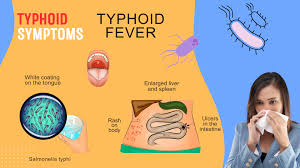
SYMPTOMS:
Symptoms are likely to start slowly, often showing up 1 to 3 weeks after contact with the bacteria .
* Fever
* Stomach pain
* Chills
* Headache
* Weakness and tiredness
* Muscle aches
* Rash
* Constipation or diarrhea
Causes
A strain of bacteria called Salmonella enterica serotype typhi causes typhoid fever. People who have typhoid fever or the bacteria in their body can shed the bacteria in their stool.
Salmonella enterica serotype typhi can spread in water that isn’t treated to kill germs and in food that isn’t cooked, such as raw fruits without a peel. Drinks that may have the bacteria include water, ice made from water that’s not treated, and milk or juice that isn’t treated to kill germs. Drinks that are treated to kill germs are called pasteurized.
People can swallow the bacteria if it gets into food and water. Not washing the hands well after passing stool also can spread the bacteria.
Typhoid carriers
Even after having antibiotic treatment, people who recover from typhoid fever may have the bacteria in their bodies for more than a year. Called chronic carriers, they no longer have symptoms of the condition. But they can spread it to others.
Chronic carriers may need treatment with antibiotics to prevent the spread of typhoid fever.
Prevention
A vaccine can help protect against typhoid fever. You might get the vaccine if you live where typhoid fever is common. Or you might get the vaccine if you plan to travel to a place where the risk is high.
Vaccines
There are two vaccines in the United States. They come in the form of:
A single shot you get at least one week before travel. People age 2 and older can take this. It lasts two years.
Four capsules you take by mouth every other day. People age 6 and older can take this form. It lasts up to 5 years.
The vaccine doesn’t completely protect you from typhoid fever. So follow these guidelines when in high-risk areas:
Wash your hands often and well. Use hot, soapy water. Wash before eating or making food and after using the toilet or changing a diaper. Carry an alcohol-based hand sanitizer for when you don’t have soap and water.
Don’t use water that isn’t safe. In places where typhoid fever is common, drinking water often has the bacteria that causes it. So drink only bottled water or canned or bottled carbonated drinks, wine or beer. Ask for drinks without ice. Use bottled water to brush your teeth and try not to swallow water in the shower.
Don’t eat raw fruits and vegetables. Because raw produce may have been washed in tainted water, don’t eat fruits and vegetables that you can’t peel, especially lettuce. To be safe, don’t eat any raw foods.
Choose hot foods. Don’t eat food that’s stored or served at room temperature. Cooked, steaming hot foods may be less risky than other foods.
ASTHMA
 Asthma is a chronic inflammatory lung disease causing narrowed airways, resulting in coughing, wheezing, and shortness of breath.
It is a lifelong condition often driven by genetics and environment, triggered by allergens, smoke, exercise, or infections.
While no cure exists, it is managed with inhalers and action plans to prevent long term damage.
SYMPTOMS OF ASTHMA
* Wheezing ( a whistling soun when breathing ) .
* Coughing , especially at night, early morning, or during exercise.
* Chest tighting, pain, or pressure.
* Shortness of breath.
* Severe cases may cause bluish lips, rapid breathing, and inability to speak .
CAUSES AND TRIGGERS OF ASTHMA
The exact cause is unknown, but a combination of genetic factors and environmental exposure is likely common triggers include….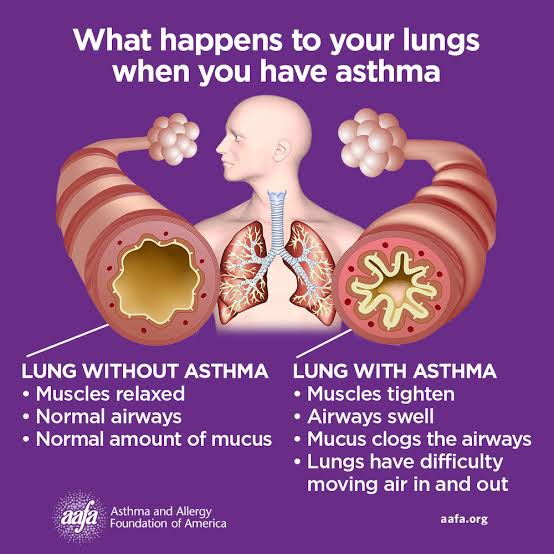

Pain Management in Dentistry
As it is truly said…some pains are physical, and some pains are mental, but the one that’s both is DENTAL. (OGDEN NASH)
A toothache or tooth pain is caused when the nerve in the root of a tooth or surrounding a tooth is irritated.
Dental pain can be either acute dental pain (happening suddenly), or chronic dental pain (happening over a long duration of time).
Common causes include dental cavities, dental abscess, gum disease, injury, sensitive tooth root (dentine hypersensitivity), cracked tooth, impacted teeth and eruption of teeth.
Pain sometimes originates from other areas too and radiates to the jaw, thus appearing to be tooth pain. The most common areas include the jaw joint, ear pain, sinuses, and even occasional heart problems.
General dental pain symptoms include:
- Pain on drinking hot or cold beverages;
- Pain on eating sweet snacks
- Generally sensitive teeth
- Pain on biting or during chewing food;
- Severe pain that wakes you up while you are sleeping;
- Severe continuous pain that comes suddenly, without doing anything.

All of the above or any feeling of discomfort might be an indication for you to visit your dentist.
Thus the ‘3-D’s’ principle–diagnosis, dental treatment and drugs–should be used to manage pain.
When the dentist has identified what is the cause of the dental pain, they will be able to treat your teeth efficiently.
Healing Ray Dental Clinic, Gurgaon believes in painless dentistry…
Hence the following treatments are done for pain management-
Fluoride application
Fillings for cavities
Scaling and polishing
Root canal treatment
Removal of the tooth
Antibiotics
Pain killers

So if you have toothache for more than one or two days, visit your dentist as soon as possible to get treated. The longer you leave it, the worse it will get.


Influenza

INFLUENZA
Influenza is a contagious Viral infection of nose , throat , and lungs, characterized by a sudden onset of fever , cough, muscle/joint pain and fatigue .
Symptoms usually last 3 to 7 days, though fatigue can persist for weeks .
It is commonly known as FLU
For most people it resolves on its own, however, certain people are at risk of developing complications these groups include.
- Young children < 5 & especially those < 2 years of age.
- Adults > 65 yrs

- Pregnant women & women two- weeks post-partum.
- People with weakened immune systems
- People who have chronic conditions like asthma, copd, heart disease, kidney disease, liver disease.
- People who are very obese
- People working in nursing homes.
SYMPTOMS
- Fever over 100.4 (38 C)
- Aching muscles
- Chills and sweats
- Headache
- Dry persistent cough
- Fatigue & weakness
- Nasal congestion
- Sore throat.
When to see a doctor.
If you have symptoms of Flu and are at a risk of developing complications see your doctor right away. Taking anti-viral drugs within 48 hrs of developing the symptoms can help to reduce the duration of illness and prevent complications.
CAUSES
- When someone infected coughs, the germs are spread through the air in the form of droplets.
- Directly by touching objects of the infected person such as mobile, computer etc
COMPLICATIONS.
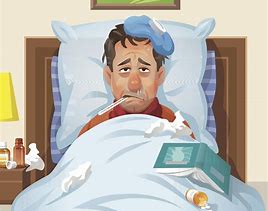
- Pneumonia (is the most serious complication)
- Bronchitis
- Asthma flare up.
- Heart problems
- Ear infections.
PREVENTION.

Flu shots are available at the Clinic on request.

Cholera

Hello! As you all know that Indian summers are right round the corner, and it’s the right time of the year to indulge in mouth-watering ‘gol guppas’, ice lollies, kulfi sticks, shikanji, bantas, sugarcane juice all prepared by the street hawkers themselves served with crushed ice and a dash of mint, compelling one to anyways have one glass despite knowing the price we pay for later.
One of the most commonly encountered diseases during these months is CHOLERA!
So once your favourite drink enters your system the Cholera bacteria starts its work! These are some of the symptoms that you can encounter on being attacked!
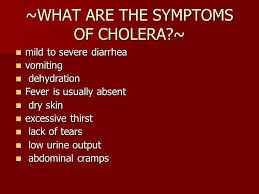
Do not wait! See your Physician right away!
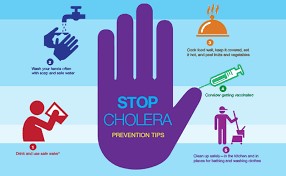
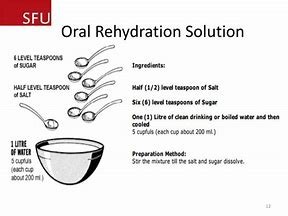
Keep yourself well hydrated.
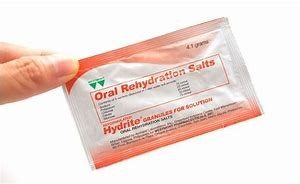
You can also make it at home!

Rotavirus

Rotavirus is the most common cause of severe diarrhoea among infants and children throughout the world and causes the death of about 500,000 children worldwide annually.

Symptoms of rotavirus
The most common symptom of rotavirus is severe diarrhoea. Children can also experience:
- vomiting
- black or tarry stools
- stools with blood or pus in them
- severe fatigue
- a high fever
- irritability
- dehydration
- abdominal pain
DEHYDRATION is the greatest concern in children.
You’ll need to monitor your child carefully for symptoms of dehydration, such as:
- dry mouth
- cool skin
- lack of tears when crying
- reduced urination frequency (or fewer wet diapers in infants)
- sunken eyes
How long rotavirus lasts?
The infection itself can last for 10 days in your stool after your symptoms go away.
Rotavirus transmission.
Rotavirus is transmitted between hand and mouth contact. If you touch a person or object carrying the virus and then touch your mouth, you could develop the infection.
Rotavirus treatment.
In terms of treatment, then, the goal is to stay hydrated and comfortable while the virus works its way out of your system. Here are a few tips for what to do in the meantime:
- Drink plenty of fluids.
- Eat broth-based soups.
- Take Pedialyte or other fluids with electrolytes (especially important for children).
- Eat a diet of bland foods, such as white toast and saltines.
- Avoid sugary or fatty foods as these can make diarrhoea worse.
Rotavirus and the Vaccine (Drops) to Prevent It.
Why should my child get the rotavirus vaccine?
The rotavirus vaccine:
- Protects your child from rotavirus, a potentially serious disease.
- Prevents your child from developing diarrhoea, vomiting, and stomach pain caused by rotavirus.
- Keeps your child from missing school or child care (and keeps you from missing work to care for your sick child).
Is rotavirus vaccine safe?
Both rotavirus vaccines (RotaTeq and Rotarix) are very safe and effective at preventing rotavirus disease.
Contact your nearest health care facility for more details.


Tea or coffee… what causes more enamel damage?

A lot of people enjoy a cup of coffee or tea in the morning. It acts to kick start the day in their busy and stressful routine life.
Your friendly cup of tea/coffee could turn out to be the enemy of your teeth!
But beware! Do you know this daily morning routine could affect your dental health…?
We can say if tea and coffee can stain clothes it can stain teeth as well!
“life is like a cup of coffee or tea, no matter how bitter or staining it may be…but still it is enjoyable.
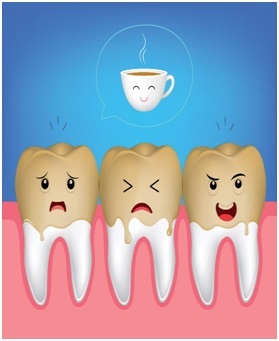
As far as staining is concern tea has more adverse effects than coffee as it has a higher number of tannins. Tannins cause colour compounds to stick to your teeth which further lead to discoloration or brown/black staining of teeth.
Added sugar in tea or coffee is another factor for tooth decay. On the other hand, coffee which contains caffeine can also cause dehydration, dry mouth and enamel erosion.
“Enjoy your favourite cup with a smile”
Healing Ray Clinic, Gurgaon, dentists suggest some of the preventive measures–
- Limit your tea/coffee intake.
- Drink more water.
- Cut back sugar.
- And most important visit your dentist every 6 months for cleaning.


Formula feeding and tooth decay
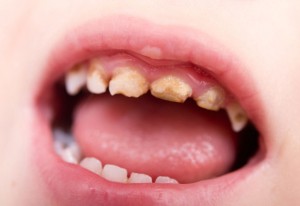
Tooth decay in infants and very young children is often referred to as baby bottle tooth decay or nursing bottle caries or early childhood caries
Generally it is caused when a child goes to bed with a bottle filled with milk or juice 
(anything but water), or pacifiers dipped in sugar or any other sweetened products. Bacteria present in the mouth change the sugar to acids that attack the teeth causing tooth decay.
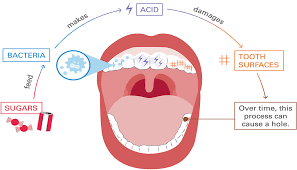
Most common symptoms are-
White spots on the teeth
Early development of cavities (brown/black) 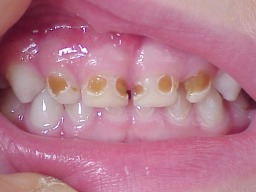
Visible tooth decay particularly the front upper and lower teeth
Tooth pain
Infections
Early loss of teeth
Many people think baby teeth are temporary hence not important.
But baby teeth are necessary for chewing, speaking and smiling. Above all these they serve as placeholders for the adult teeth. If baby tooth decay is left untreated, pain and infection can result or child may develop poor eating habits, speech problems, crooked teeth and damage adult teeth.

EARLY PREVENTION IS BETTER THAN CURE-
Wipe the baby’s gums with a clean cloth after each feed.
Begin brushing child’s teeth with the appearance of 1st tooth.
Brush teeth using a fluoride free toothpaste (make sure child is getting sufficient fluoride)
Clean and massage gums in areas without teeth.
Begin early dental visits for your child.
Do not allow the child to go to bed with a bottle filled with anything but water.
Healing ray dental clinic provides various treatment modalities like early detection of caries, fluoride and pit and fissure sealants application, tooth brushing techniques, oral health education and child behaviour management.
“Child health is our priority…’’

Is your child getting enough psychological support at school?
According to world health organization, health is defined as “State of complete physical, mental, and social well being, and not merely the absence of disease or infirmity” This definition includes mental or psychological health too, which shows how important is to maintain the psychological health.
Do we really care about our kid psychological health???

When a kid faces problem at school, first indicator is his academic performance, which starts declining day after day. The school teachers are in the unique position to observe their academic performance, day-to-day mood and interactions with peers. Teachers use to handle lot of work in school and have their eyes on many factors that indicate your child’s well-being; and they also have the ability to see changes over the course of the school year.
For all of these reasons, teachers play a key role in linking children with psychological resources at school. As a parent are facing problem to look after child psychological well being, it’s important for parents to know who’s on school team to ensure proper care and support to child.
The Psychological Health Team at Your Child’s School
The School Counselor/Psychologist
Most of the schools don’t have school counselor, though they can play a very important role in child psychological well being. The school counselor’s role includes:
- Providing academic and career guidance
- Providing support for social and emotional problem
- Meet with students to provide support
- Consult with administrators, teachers and parent
- Implement behavior management skills for positive social and classroom interactions
- Provide counseling and psychological testing
The School counselor plays a role of a bridge between child and psychiatrist. If they feel, child needs help of a professional; they prefer to refer the child to them.
Psychiatrist 
In addition to a school counselor, school should have tie up with a psychiatrist to assess the psychological well being of child. These professionals are able to do some or all of the following:
- Meet with students to provide support
- Consult with administrators, teachers and parents
- Implement behavior management skills for positive social and classroom interactions
- Provide proper treatment and helps to assess the problem in better way.
Every school should have their own psychological health team to assess the psychological well being of children.
The Psychological Health team outside school
Most of the big cities have lot of psychiatrist or psychologist, but still there is lot of time lag in getting treatment. It is responsibility of parents to keep a watch on child psychological well being and if they feel any change in their behavior and see any academic decline, they should consult a psychiatrist or psychological immediately.
We know being a parent you work hard to educate yourself and prepare your child for the milestones ahead, but you should about the warning signs of possible mental health problems, and don’t hesitate to reach and find support in the team at school or outside school. A team approach — with families, healthcare professionals, mental health providers, educators, and social-emotional support sources all working together — can change lives and outcomes during these formative years.