TYPHOID fever is a life- threatning infection that affects millions of people each year. Typhoid fever , also known as typhoid , is an orally contracted disease caused by SALMONELLA enterica serotype Typhi bacteria, also called SALMONELLA TYPHI .
Key Aspects of Typhoid Fever
Transmission: It is transmitted via the fecal-oral route, typically by consuming food or water contaminated by the feces of an infected person or chronic carrier.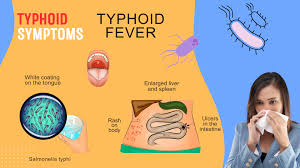
SYMPTOMS:
Symptoms are likely to start slowly, often showing up 1 to 3 weeks after contact with the bacteria .
* Fever
* Stomach pain
* Chills
* Headache
* Weakness and tiredness
* Muscle aches
* Rash
* Constipation or diarrhea
Causes
A strain of bacteria called Salmonella enterica serotype typhi causes typhoid fever. People who have typhoid fever or the bacteria in their body can shed the bacteria in their stool.
Salmonella enterica serotype typhi can spread in water that isn’t treated to kill germs and in food that isn’t cooked, such as raw fruits without a peel. Drinks that may have the bacteria include water, ice made from water that’s not treated, and milk or juice that isn’t treated to kill germs. Drinks that are treated to kill germs are called pasteurized.
People can swallow the bacteria if it gets into food and water. Not washing the hands well after passing stool also can spread the bacteria.
Typhoid carriers
Even after having antibiotic treatment, people who recover from typhoid fever may have the bacteria in their bodies for more than a year. Called chronic carriers, they no longer have symptoms of the condition. But they can spread it to others.
Chronic carriers may need treatment with antibiotics to prevent the spread of typhoid fever.
Prevention
A vaccine can help protect against typhoid fever. You might get the vaccine if you live where typhoid fever is common. Or you might get the vaccine if you plan to travel to a place where the risk is high.
Vaccines
There are two vaccines in the United States. They come in the form of:
A single shot you get at least one week before travel. People age 2 and older can take this. It lasts two years.
Four capsules you take by mouth every other day. People age 6 and older can take this form. It lasts up to 5 years.
The vaccine doesn’t completely protect you from typhoid fever. So follow these guidelines when in high-risk areas:
Wash your hands often and well. Use hot, soapy water. Wash before eating or making food and after using the toilet or changing a diaper. Carry an alcohol-based hand sanitizer for when you don’t have soap and water.
Don’t use water that isn’t safe. In places where typhoid fever is common, drinking water often has the bacteria that causes it. So drink only bottled water or canned or bottled carbonated drinks, wine or beer. Ask for drinks without ice. Use bottled water to brush your teeth and try not to swallow water in the shower.
Don’t eat raw fruits and vegetables. Because raw produce may have been washed in tainted water, don’t eat fruits and vegetables that you can’t peel, especially lettuce. To be safe, don’t eat any raw foods.
Choose hot foods. Don’t eat food that’s stored or served at room temperature. Cooked, steaming hot foods may be less risky than other foods.
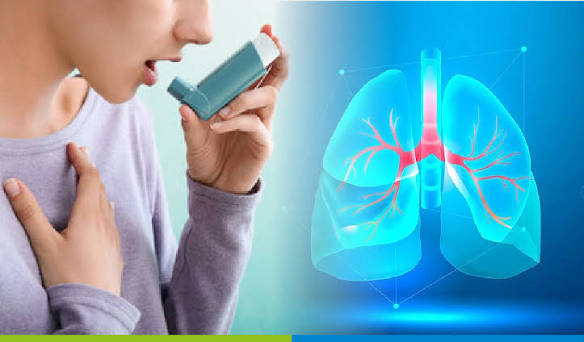 Asthma is a chronic inflammatory lung disease causing narrowed airways, resulting in coughing, wheezing, and shortness of breath.